
Remembering Tae-ro Lee, the BCD Tofu House Co-Founder Who Helped Shape Koreatown Food Culture
코리아타운의 한 역사를 만든 사람, 미국 '북창동 순두부' 공동창업자 이태로를 기억하며
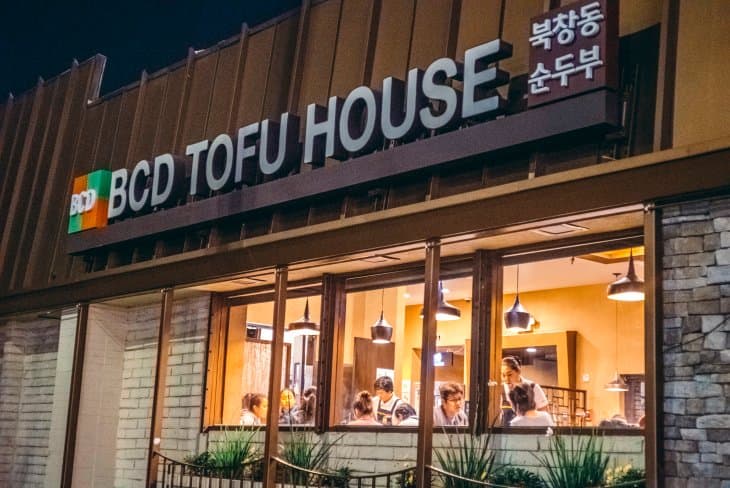
For many people in Los Angeles, BCD Tofu House is more than a restaurant. It is one of those places that feels woven into Koreatown itself — late nights, bubbling stone pots, endless banchan, and a dish that introduced countless diners to the comfort of soondubu.
That is why the passing of Tae-ro Lee, co-founder of BCD Tofu House, feels significant beyond one family business. According to recent reports, Lee died in March 2026, leaving behind a culinary legacy built alongside his late wife, Hee-sook Lee, and carried forward by their family.
BCD’s story is also a story about migration, reinvention, and Korean food finding a permanent home in Los Angeles. The company says its flagship Koreatown location opened in 1996, and from that one restaurant the brand grew into a multi-location chain with a reach far beyond L.A.
A life behind the brand
Reports on Lee’s life describe a path shaped by both hardship and determination. He was born in 1937 in what is now North Korea, later moved south during the Korean War, and came from a family with restaurant roots in Seoul.
That background matters because BCD did not appear out of nowhere. The restaurant’s identity is tied to Bukchang-dong in Seoul, a district connected to the Lee family’s culinary history and the name that would later become “BCD.”
Before BCD became famous in Los Angeles, Lee had already been involved in the restaurant world in Korea. Coverage of his life notes that he opened a naengmyeon restaurant in Seoul in the 1960s, long before the family immigrated to the United States.
Why BCD matters
BCD Tofu House became famous for soondubu-jjigae, the spicy soft tofu stew that many non-Korean diners in Los Angeles first learned to love there. Writers covering BCD over the years have described the restaurant as a major gateway for Korean food in L.A., especially in the late 1990s and early 2000s.
That influence came not just from the food itself, but from how BCD presented it. The menu turned one dish into a whole world of choices, with different protein options, spice levels, and combinations that made soondubu feel both approachable and deeply personal.
LAist’s earlier reporting on BCD’s growth also noted how the brand helped create a format that many other restaurants later followed. In that sense, BCD was not just successful — it helped define what a modern Korean comfort-food chain could look like in America.
Koreatown institution
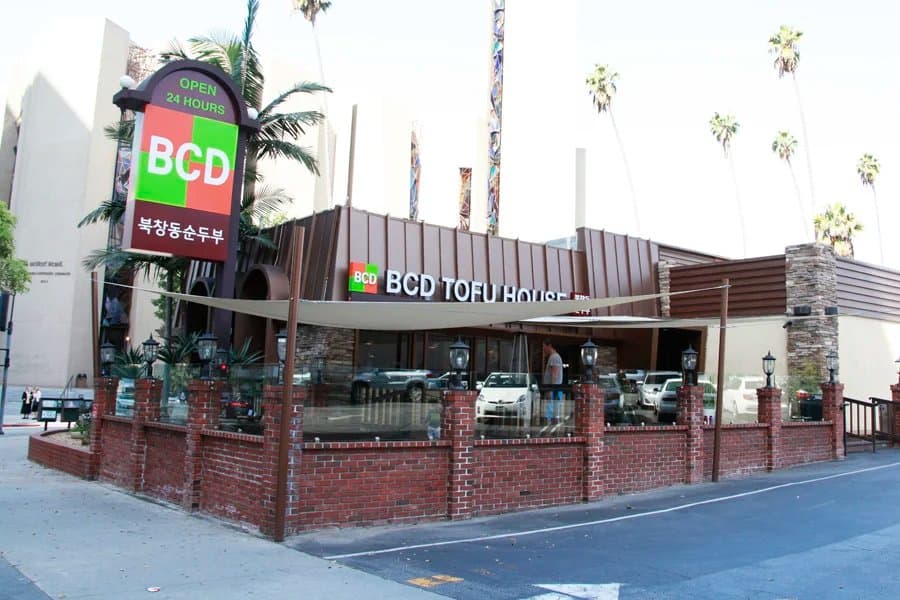
For Korean Americans, night owls, students, and anyone who has ever ended an evening in Koreatown with a hot meal, BCD holds a special place. Its Wilshire location became especially well known for very late hours, helping cement the restaurant as a dependable part of the neighborhood’s rhythm.
BCD also became recognizable far beyond regular local diners. Coverage has noted that Korean celebrities and K-pop stars have visited its locations, reflecting how the restaurant evolved into both a community staple and a pop-culture landmark.
That visibility matters, but it is probably not the real reason BCD lasted. Restaurants stay iconic because people attach memories to them, and BCD became the kind of place families return to, visitors are brought to, and Angelenos mention almost automatically when talking about Koreatown.
Family legacy
BCD’s own company history emphasizes family continuity. On its official site, the brand says its locations are run with care by Mrs. Lee’s family and longtime staff, and recent coverage reports that Tae-ro Lee’s three sons now lead the company.
That makes this moment feel less like the end of a restaurant story and more like the passing of one generation into the next. The business continues, but the people who built its foundation helped shape something larger than a chain: they helped make Korean food more visible, more familiar, and more beloved in Los Angeles.
Why this matters to Damoyuh
At Damoyuh, stories like this matter because they are about more than food. They are about Korean and Korean American legacy, neighborhood-building, and the businesses that quietly become part of a city’s identity over time.
BCD Tofu House is one of those names. And Tae-ro Lee’s story is a reminder that behind every well-known institution, there are founders whose personal history, risk, and persistence made that visibility possible.